Category: Blog

Why Preventive Home Care Across Systems (HVAC, Foundation, and Insulation) Reduces Major Repair Costs Over Time

Have you invested a significant amount in buying your dream home? However, the most annoying thing is that it may need repairs after a few years. It especially happens when you have not maintained your house regularly. A minor foundation crack or a tiny air leak seems to be harmless. But, it will cause complex issues that need costly repairs.

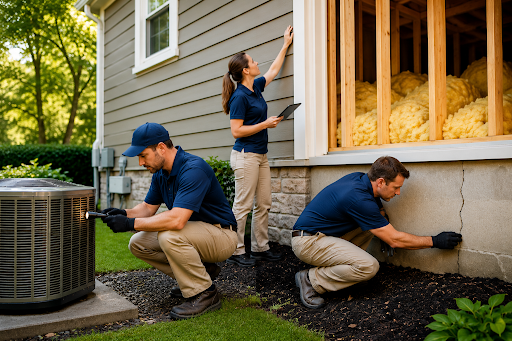
Preventive home upkeep is the best strategy to avoid these problems. Let us discuss how maintenance services make your property long-lasting.

HVAC Inspection – No Need for Costly Repairs 

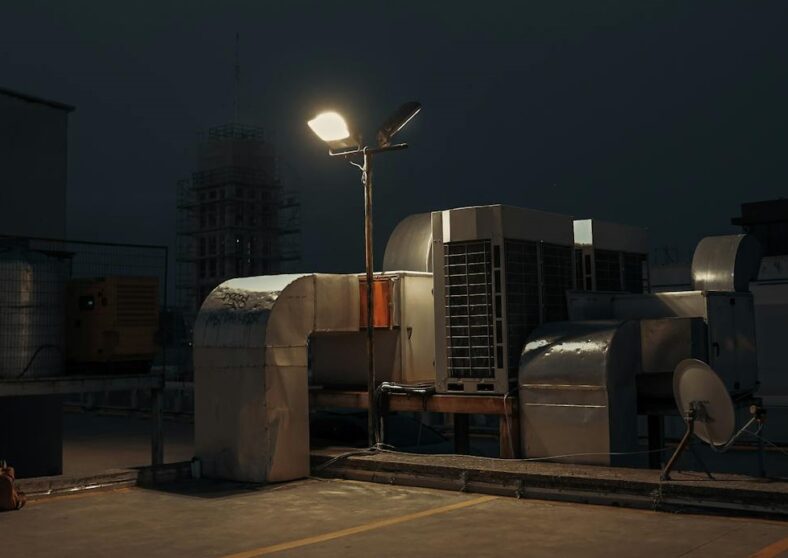
Most modern homes have HVAC systems that function year-round. To restore their functions, you need to focus on maintenance tasks:

  • Air filter replacement
  • Vent and coil cleaning
  • Refrigerant level inspection
  • Electrical connection inspection
  • Thermostat performance test
  • Yearly tune-ups

Routine upkeep of your HVAC improves efficiency and reduces the risk of damage to critical components. Blocked coils and filthy filters cause the system to work harder. So, they lead to higher energy usage and equipment deterioration.

Proper maintenance will make your HVAC systems long-lasting.

Foundation Assessment – Protect Your Home’s Structural Integrity

The foundation is a significant part, but most homeowners overlook it.  Foundation problems develop over time, so you must check them regularly. Uneven floors and cracked walls are a few common signs of foundation issues. 

Foundation risks can be reduced with a few approaches:

  • Maintain proper drainage around your house.
  • Clean your rain gutters regularly to avoid drainage issues
  • Monitor soil moisture levels and signs of moisture in basement
  • Direct water away from your house
  • Scheduling periodic foundation

In case your foundation currently has a few issues, they need repairs without delay. Professionals will seal small cracks and deal with structural stabilizations. Preventive foundation care ensures that your property will retain its value for years. So, you need to contact the best foundation repair companies in OKC.

Although the foundation is a crucial aspect, you must not overlook other parts:

Roof Inspection – Professional roofers know how to prevent leaks in your roofing structure. They will save your roof from mold growth and water damage.

Siding Checks – You need to call siding installation contractors to detect signs of damage. They will take the right step to protect your siding.

Thus, these few steps will help you boost your property’s resale value.

Maintain Insulation – For Higher Energy Efficiency

Insulation receives less attention, though it influences your home’s performance. Proper insulation controls indoor temperature and lowers energy consumption.

However, weaker insulation layers lead to higher heating and cooling costs. Mold growth and moisture accumulation are other issues caused by the damaged insulation.

All in All

Preventive home care is a smart financial decision that restores your property value. It lets you maintain HVAC systems and monitor foundation health. Your insulation will be effective for years with proper upkeep. This approach will prevent the need for costly repairs to your house in the future. To say clearly, a minimal investment in preventive care will lead to long-term savings!
Do Pergolas Save Energy and Money? A Guide for Homeowners

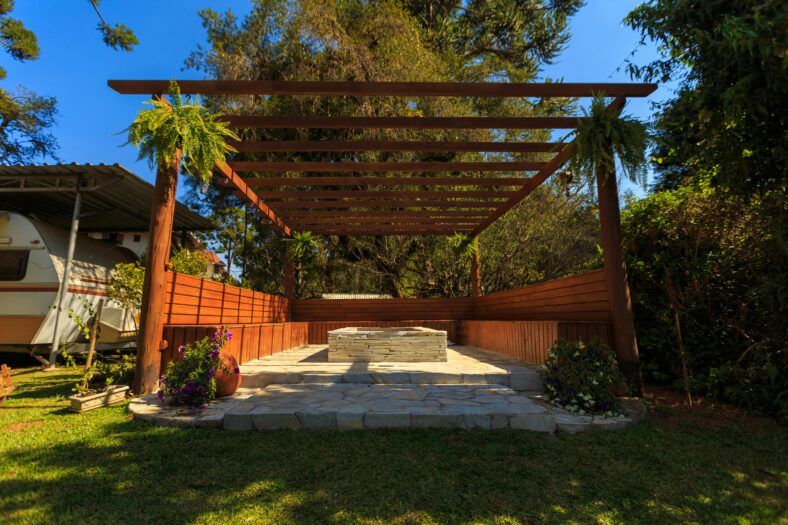
Pergolas have become one of the most popular backyard additions in recent years, and it’s not hard to see why. They’re beautiful, versatile, and create that perfect outdoor living space that homeowners dream about. But here’s a question that doesn’t get asked often enough: can a pergola actually save you energy and money? The answer is more nuanced than you might think and if you’re considering pergolas with retractable shades, the energy-saving potential increases significantly.

How Pergolas Reduce Solar Heat Gain

The most direct way a pergola saves energy is by blocking direct sunlight from hitting your home’s exterior walls, windows, and patio doors. During summer months, solar heat gain through glass surfaces is one of the primary drivers of high air conditioning bills. A pergola positioned near south or west-facing windows acts as a passive shading system, reducing the heat load on your home without requiring any electricity to do so. This is old-school architecture at its smartest using structure to manage climate.

The Role of Retractable Shades

A simple pergola with slats gives you some shade, but a pergola with retractable shades is a lot better. When it is really hot outside you can close the shades. It is like having a full roof that blocks most of the sun. On days or at night, you can open them up and let the light and air in. This way, you do not just have a shade that always stays the same, you have a pergola with shades that changes with the weather and makes you comfortable all year. You get to enjoy your pergola with shades all the time, and it helps you save energy too.

The Financial Case for Pergola Installation

Reducing your cooling load even by 10-15%can translate into real dollar savings each month. In warmer climates where AC runs heavily from spring through fall, homeowners have reported noticeably lower utility bills after adding a shading structure to their home’s sun-exposed sides. Beyond the direct energy savings, a well-designed pergola adds outdoor living space, which can increase your home’s perceived value and market appeal significantly. Real estate agents frequently highlight covered outdoor areas as a major selling point.

Choosing the Right Materials for Longevity

To really save money over time, your pergola needs to be built to last a time. Wood pergolas are pretty and classic, but they need work all the time, like staining and sealing, and after a while you have to replace the parts that get rotten or warped.

Pergolas made of aluminum or steel with a coating are stronger and need less work to keep them nice. If you are putting shades on your pergola that can be pulled back, make sure the shades can handle the sun and are good for the kind of weather you have where you live. A good pergola, with shades should last for your home for fifteen to twenty years or even longer.

Getting the Most Out of Your Investment

Where you put the pergola matters. You should work with someone who understands sun angles and seasons. A pergola in the place might look nice, but it will not save energy. If you do it right you can save money. Improve your outdoor space.

Pergolas are not just for looks. They can really reduce heat gain and lower your cooling costs. Pergolas with shades are even better because they can adapt to different seasons and conditions. This is a backyard upgrade that’s worth it.

Are Home and Car HVAC Systems the Same?

Most of us consider the regulated environment in our homes or cars to be a ‘granted one’ daily. HVAC systems are crucial at both residential and commercial levels. While they might appear to be the same since they share similar functions, they are not. You can enjoy their distinctive style and function much better when aware of their peculiarities.

The Basics of HVAC Systems

These systems are supposed to provide the proper temperature, humidity, and quality of the air through heating, cooling, and circulation, but they are also affected by their operating environment in terms of design and functionality. Thus, house HVAC systems will operate within an immobile space, whereas ones intended for cars should provide proper conditions in a small and movable area. That is a critical distinction in understanding some of the differences between these two.

Key Differences in Size and Capacity

In addition to other obvious distinctions, there are those of size and capacity between the systems. HVAC systems installed in homes were designed to manage air through a wider area inside the building, like several rooms or the whole building itself. Common parts of a house HVAC include the furnace, air conditioner, and ductwork. In contrast, car HVAC systems are small, mounted in your vehicle’s dashboard or engine compartment to cool or heat a relatively tiny area. 

Energy Sources and Efficiency

The energy sources for these systems are also different. While home HVAC systems operate continuously for long periods using electricity, natural gas, or oil, the HVAC systems in cars use engine-driven belt-driven compressors. This can slightly reduce fuel efficiency because of the reliance on the engine, which is why regular maintenance is important for optimal performance, just like checking your Mercedes Sprinter power steering fluid.

Air Circulation and Distribution

Another big difference is in the circulation and distribution of air. House systems need ductwork to carry the air through the building to make the temperature in all rooms consistent. Air circulation in cars is confined to the cabin, with vents placed strategically for fast and efficient heating or cooling. Since the cabin is an enclosed area inside a vehicle, automotive HVAC can raise or lower the cabin temperature much faster than house systems.

Maintenance and Durability

These systems also vary in their maintenance requirement. House HVAC systems need periodic checks, filter changes, and seldom repairs, as they are designed to last for decades. Car HVAC systems are subjected to continuous vibration, temperature changes, and even weather conditions, contributing to faster wear and tear. As a result, they need more maintenance and repair throughout a vehicle’s lifetime.

Technological Advancements in Both Systems

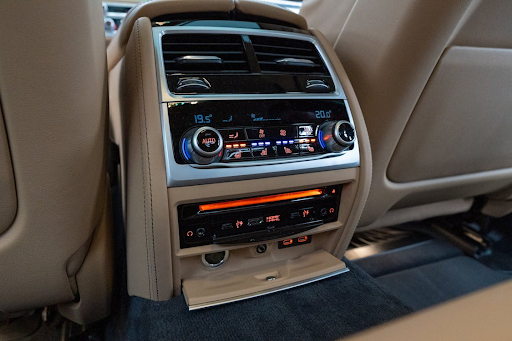
New technology has extended the advantages to house and car HVAC systems. House systems boast smart thermostats, energy-efficient designs, and even air purification, all features making them more adaptive to the environment. In the same way, in-car HVACs boast dual-zone control, automatic climate adjustment, and even, in some models, solar power for cooling to heighten passenger comfort further.

Summary

While home and car HVAC systems share the same goal of maintaining a comfortable environment, they fundamentally differ in design, operation, and purpose. Understanding these differences will help you better maintain and utilize each system effectively to ensure comfort at home and on the road. 

Can Smart Lighting Control Affect Your HVAC Performance?

Stepping Out of the Shadows: More Than Just Energy Efficiency

More often than not, the discourse surrounding smart lighting gravitates towards its energy-efficiency properties – particularly its capacity to minimize electricity usage through automation. While this aspect is undeniably a boon, the remit of smart lighting surpasses merely controlling light operations. When incorporated with your home’s HVAC system, smart lighting can cultivate a more harmonious and streamlined home atmosphere leading to substantial energy savings and enhanced indoor comfort.

The Sophisticated Tango of Light and Climate Control

The interplay between light and HVAC systems is complex. Lighting systems can significantly contribute to indoor heat, which subsequently impacts the effort your HVAC system needs to exert. For instance, conventional incandescent light bulbs produce a considerable amount of heat, which inadvertently elevates room temperatures – demanding your air conditioning to work harder to sustain a comfortable milieu. Contrarily, LED lights emit minimal heat, reducing the burden on the cooling mechanism, thus manifesting as energy savings.

Advanced Lighting Systems: The Next Step in Energy Management

Smart lighting systems from a lighting control installer in Scottsdale elevate this relationship to a higher level by permitting the synchronization of lighting and HVAC controls. Picture a future home where your lighting adjusts its strength relative to the occupancy and time of day, while maintaining a dialogue with your HVAC system. During balmy summer evenings, the system could lower the light intensity to diminish cooling needs, while in winter, it might amplify lighting to exploit passive solar heating.

Smart Technology in Practice

An escalating number of systems are already leveraging this interconnection. All-in-one home automation platforms are being developed, affording homeowners to regulate lighting, HVAC, and other systems from one principal hub. These platforms can learn your individual preferences and routine to efficiently manage energy use.

For instance, when you depart from home, smart sensors can sense your absence, automatically extinguishing lights and adjusting the thermostat to a power-saving mode. Furthermore, by scrutinizing data on your daily activities, these systems can proactively alter lighting and temperature settings to enhance comfort and efficiency on your arrival.

The Yin and Yang: Weighing the Advantages and Challenges

The perks of integrating smart lighting with HVAC systems are persuasive. Energy savings remain the primary benefit, with decreased HVAC strain resulting in diminished energy bills. Additionally, homeowners can relish in improved comfort through the maintenance of a more consistent indoor climate.

However, challenges exist. The initial installation costs for integrated systems can be steep, and users may face a learning curve while acclimating to the new technology. Moreover, with an increased number of smart devices collecting and sharing data, privacy concerns are inevitable.

The Future of Home Automation: An Integrated Approach

Contemporary homeowners should perceive smart lighting and HVAC systems as two halves of a greater home automation strategy. Acknowledging the interplay between these systems can allow homeowners to optimize their energy usage and amplify their indoor living conditions.

All things considered, while smart lighting is often exalted for its convenience and energy savings, its capacity to enhance HVAC performance should not be underestimated. By embracing an integrated approach to home automation, homeowners can unlock unprecedented levels of efficiency and comfort, ultimately revolutionizing what it means to live in a smart home.

Managing HVAC Systems To Combat Bugs In Warm Homes

Your home is a fortress. During the summer, when the heat outside rivals the intensity of a dragon’s breath, your home remains a bastion of coolness and comfort. Most importantly, it serves as a shield against the tiny invaders that flourish in the high temperatures – bugs. Places like Arizona and Florida become playgrounds for these critters, making your HVAC system not just a luxury but a shield in combat against these unwelcome guests.

The Battlefront: HVAC Systems vs. Pest Control

Your home’s HVAC system serves a purpose beyond simply maintaining a refreshing atmosphere; it is vital in preventing pest infestations. Pests seek environments with optimal conditions, like Goldilocks’ preference for “just right.” Extreme temperatures—either too hot or too cold—will deter them from inhabiting your space. Thus, temperature and humidity act as unseen deterrents that can either attract pests into your home or effectively repel them.

Tactics For Homeowners

Keeping your HVAC system in tip-top shape is like training your knights for battle. Think of cleaning and swapping out filters as the art of sword sharpening for your air – essential to keep it knightley fresh and dragon-breath free. Sealing up cracks and gaps in your fortress? That’s just smart castle strategy to keep the creepy crawlies from laying siege to your living space.

Advanced Strategies In The Arsenal

In some areas of your home, particularly those as damp as a swamp, a dehumidifier can be a trusty sidekick to your HVAC system, making the environment as unattractive to pests as a drought is to fish. Smart thermostats, the wizards of the HVAC world, wield the power to keep your indoor climate as balanced as a tightrope walker, discouraging pests from making your home theirs. Those already experiencing pest issues should look at professional help. Phoenix or North Port pest control, for example, wherever you may be. 

Wisdom For HVAC Technicians

For the knights and wizards (our HVAC technicians) in the field, understanding the nexus between pest control and HVAC efficiency is as crucial as knowing the enemy. Integrating pest control measures, like recommending sealing tactics and maintenance schedules, with HVAC servicing, ensures that homeowners have a robust defense strategy. Sharing this knowledge is like passing down ancient tomes of wisdom that homeowners can use to protect their realms.

The Victory March

Well-maintained HVAC systems act as robust barriers, maintaining an indoor environment that is as inhospitable to pests as frozen tundras are to sunbathers. Through proactive measures and seeking professional assistance when required, homeowners can ensure their dwellings continue to be havens of comfort and security.

Now, we turn the scroll over to you, dear reader. Share your tales of victory or seek advice in the comments below. Together, we can keep our homes pest-free and as comfortable as a cloud in a summer sky.

HVAC Digital Marketing Strategies to Grow Your Business Presence

Heat, ventilation, and air conditioning (HVAC) service contractors are slowly changing how they do business. With more customers shopping for their services online and using their mobile devices to research options, it’s essential that you take advantage of digital marketing strategies within your HVAC business, or you might find yourself on the losing end. Even if you don’t know what to do when beginning your digital marketing strategy, never fear – we’re here to help start things off right!

  • Get Your Site Ready For Voice Search

It’s no secret that people increasingly turn to voice search when looking for information. That’s why ensuring your website is appropriately configured for voice search is essential. Voice search is a growing trend that businesses should take advantage of if they want to be found online. By making your site ready for voice search, you can increase your website’s visibility and rank higher in Google searches.

  • Make Mobile a Priority

To be successful with digital marketing, businesses must focus on mobile marketing. Mobile devices account for much online activity, so companies must ensure their websites and apps are optimized for mobile devices. Additionally, businesses should create mobile-friendly compelling content, including images and videos that can be easily shared on social media. By focusing on mobile marketing strategies, companies can increase their online presence and reach new customers using mobile devices as their primary method of communication.

  • Make Your Website Responsive and Interactive

You can provide a better customer experience and increase sales by making your website responsive and interactive. Responsive design means that your website adapts to different screen sizes, which makes it easier for customers to use. This also allows you to target potential customers who may be using a mobile device or a laptop. Interactive design involves incorporating features that enable customers to input data or make requests. This helps you build relationships with your customers and increase engagement rates. By making your website responsive and interactive, you can create a more fulfilling online experience for your customers and grow your business presence.

  • Amp Up Your SEO Efforts

Amping up your SEO efforts is an excellent way to grow your business presence. The first step to improving your SEO is ensuring your website is optimized for search engines. This means creating meta tags and descriptions, using keywords appropriately, and ensuring that Google can crawl all your site’s pages.

  • Include Video in Your Marketing Strategy

With the ever-growing popularity of digital marketing, businesses now realize the importance of incorporating video into their overall marketing strategy. This is because the video is an extremely powerful medium that can be used to capture and engage customers on a much more personal level than text or images can. Additionally, video is known for being both engaging and persuasive, which can help your business achieve a higher conversion rate than other forms of marketing. Finally, video content is also highly shareable, so it’s a great way to reach a large audience quickly and easily.

Conclusion

For starters, you can always reach out to experts or consult digital marketing agencies like Strawberry SEO to keep updated on the ins and outs of digital marketing. Use the right digital marketing strategies to grow your business presence and generate a large number of leads with the help of a digital marketing agency in Phoenix

How To Keep Your Home Cooler During The Arizona Summer Months

Arizona’s average temperature may reach 99 degrees Fahrenheit during the summer months! So, this implies that your home’s air conditioning system works hard 24 hours a day to keep you and your family happy and soothed. Amid summer’s searing heat, though, you can do a few things that don’t entail turning down the thermostat, here are your finest suggestions.

  • Make Your Home More Shade-Providing

Landscaping may help limit the amount of direct sunlight that enters your house. However, when it comes to keeping your house cooler during the warmest parts of the day, having big shrubs or trees around your home’s east- and west-facing windows may provide much-needed shade.

  • How to Make the Most of Ceiling Fans

Using energy-efficient ceiling fans may reduce the temperature in your house by several degrees without the need to adjust the thermostat. Make use of any ceiling fans you have in your house to circulate the air. Installing a ceiling fan is a straightforward and affordable process if you don’t already have one in your house (or if you don’t have one in your major living areas). Having ceiling fans installed might save you money in the long run!

  • Invest in Window Coverings

To reduce light entering your house, window curtains may be used similarly to carefully placed plants. Light-blocking window coverings are especially important in rooms that front the sun’s rays, such as those on your house’s east and west sides. Blinds, drapes, curtains, and even full-length blackout panels might be included in this category.

Close these window coverings when the brightest sun shines in these rooms. As a result, less sunlight will penetrate the room, keeping the temperature in your house cooler. Not to mention how a good set of window curtains can transform your room.

  • Reduce Your Use of Appliances That Create Heat

Even dishwashers, stoves, and dryers may generate a lot of heat while running. As a result, these appliances may be dangerous to use in the heat of the day, so you may want to keep this in mind. If you have to wash laundry or run a load of dishes, do it at night or in the evening instead.

Ensure your dishwasher is full before running it to reduce your usage of this heat-generating equipment. If you can, wait to do laundries until you have a full load. This will not only help to keep your house cooler in the summer, but it will also save you money on the maintenance costs of these items.

  • Maintain The Functioning Of Your AC

A broken air conditioner is the last thing you want to deal with during a hot Arizona summer. However, taking care of your AC system year-round is essential! When it comes to keeping your air conditioner in good working order, there are several things you can do, beginning with changing the air filter. Typically, filters should be replaced every 90 days to guarantee optimal airflow and enhance the effectiveness of your machine.

These are some excellent suggestions for keeping your Arizona house cool in the heat.