Most of us consider the regulated environment in our homes or cars to be a ‘granted one’ daily. HVAC systems are crucial at both residential and commercial levels. While they might appear to be the same since they share similar functions, they are not. You can enjoy their distinctive style and function much better when aware of their peculiarities.
The Basics of HVAC Systems
These systems are supposed to provide the proper temperature, humidity, and quality of the air through heating, cooling, and circulation, but they are also affected by their operating environment in terms of design and functionality. Thus, house HVAC systems will operate within an immobile space, whereas ones intended for cars should provide proper conditions in a small and movable area. That is a critical distinction in understanding some of the differences between these two.
Key Differences in Size and Capacity
In addition to other obvious distinctions, there are those of size and capacity between the systems. HVAC systems installed in homes were designed to manage air through a wider area inside the building, like several rooms or the whole building itself. Common parts of a house HVAC include the furnace, air conditioner, and ductwork. In contrast, car HVAC systems are small, mounted in your vehicle’s dashboard or engine compartment to cool or heat a relatively tiny area.
Energy Sources and Efficiency
The energy sources for these systems are also different. While home HVAC systems operate continuously for long periods using electricity, natural gas, or oil, the HVAC systems in cars use engine-driven belt-driven compressors. This can slightly reduce fuel efficiency because of the reliance on the engine, which is why regular maintenance is important for optimal performance, just like checking your Mercedes Sprinter power steering fluid.
Air Circulation and Distribution
Another big difference is in the circulation and distribution of air. House systems need ductwork to carry the air through the building to make the temperature in all rooms consistent. Air circulation in cars is confined to the cabin, with vents placed strategically for fast and efficient heating or cooling. Since the cabin is an enclosed area inside a vehicle, automotive HVAC can raise or lower the cabin temperature much faster than house systems.
Maintenance and Durability
These systems also vary in their maintenance requirement. House HVAC systems need periodic checks, filter changes, and seldom repairs, as they are designed to last for decades. Car HVAC systems are subjected to continuous vibration, temperature changes, and even weather conditions, contributing to faster wear and tear. As a result, they need more maintenance and repair throughout a vehicle’s lifetime.
Technological Advancements in Both Systems
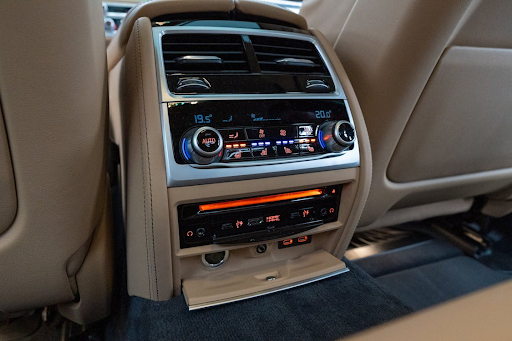
New technology has extended the advantages to house and car HVAC systems. House systems boast smart thermostats, energy-efficient designs, and even air purification, all features making them more adaptive to the environment. In the same way, in-car HVACs boast dual-zone control, automatic climate adjustment, and even, in some models, solar power for cooling to heighten passenger comfort further.
Summary
While home and car HVAC systems share the same goal of maintaining a comfortable environment, they fundamentally differ in design, operation, and purpose. Understanding these differences will help you better maintain and utilize each system effectively to ensure comfort at home and on the road.